School Branding Blog
High School Branding: Athletics + Academics Under One Identity
- Author
- Mash Bonigala · Creative Director
- Published
- May 21, 2025
- Read
- 8 min

High school branding is a different animal than elementary or middle school branding. The identity has to work across athletics, academics, and community simultaneously. Friday night football demands something bold on a helmet. The college counseling office needs something refined on a letterhead. The student section wants something they’ll put on a hoodie. The alumni want something they recognize from 20 years ago.
Most high schools end up running two separate brands without realizing it: an athletic identity on jerseys and gym floors, and an institutional identity on the website and school documents. We wrote a full guide on unifying athletic and academic branding because this split is one of the most common and most expensive brand problems in K-12 education.
Related: high school branding services | school marketing design | school branding strategy
What makes high school branding different
High schools carry more emotional weight than any other school level. The brand represents generational identity, athletic rivalries, Friday nights, prom, graduation, and the experience of growing up. When alumni come back 30 years later, they’re looking for the logo they remember. When current students walk the halls, they want an identity that feels worthy of their pride.
This emotional weight makes high school rebranding particularly sensitive (our guide on alumni resistance is worth reading if change is on the table), but it also makes the payoff of getting the brand right significantly larger. A high school with a strong, unified identity sees it reflected in spirit wear sales, student belonging, teacher recruitment, and community support for bond referendums.
The identity system
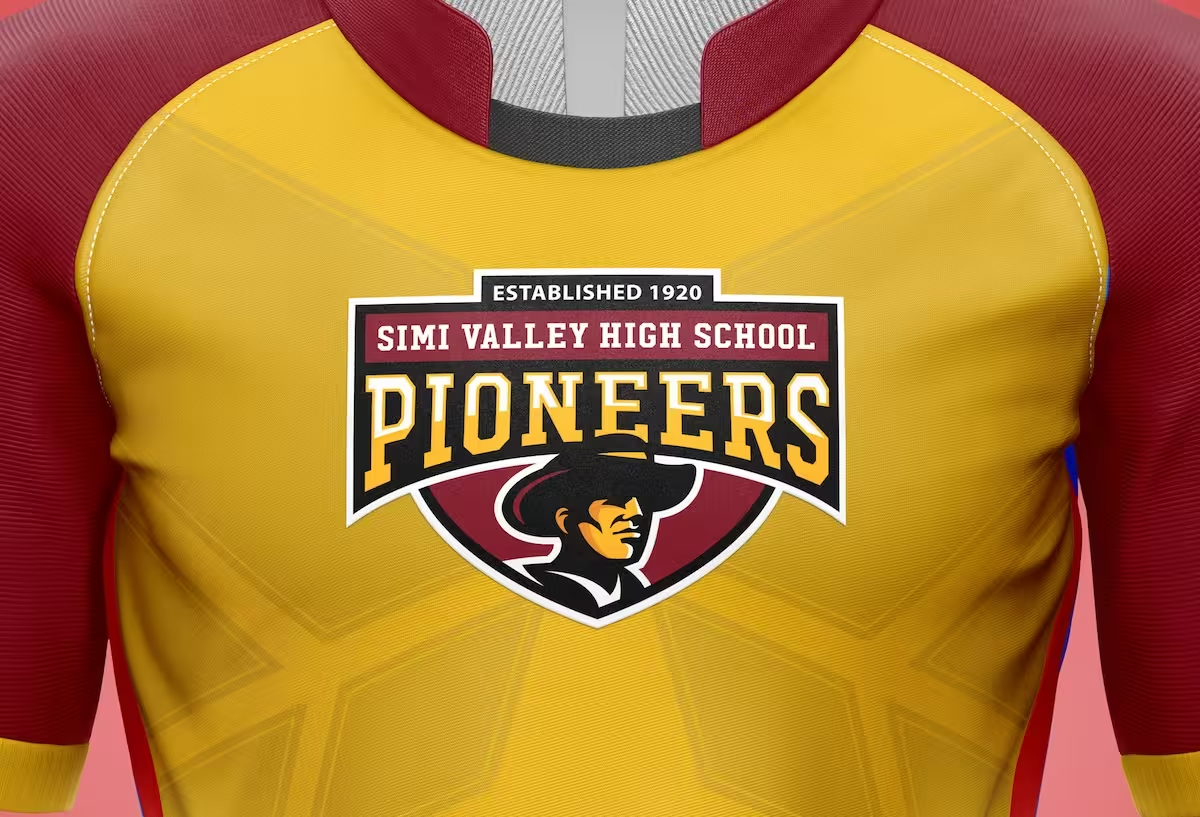
A high school brand needs more pieces than an elementary school brand. At minimum: a primary mark (the full logo with school name and mascot), an athletic mark (compact, bold, designed for helmets and jerseys), an academic mark (refined, appropriate for diplomas and formal communications), a standalone mascot icon, a wordmark, and a monogram. All sharing the same color palette, typography family, and design DNA.
The mascot sits at the center of all of it. For high schools, the mascot needs to feel competitive enough for athletics, refined enough for academics, and contemporary enough that students want to wear it. The mascot design psychology behind what makes students adopt or reject a mascot identity is well documented, and schools that invest in professional mascot design see adoption rates that dwarf schools with outdated clip-art logos.
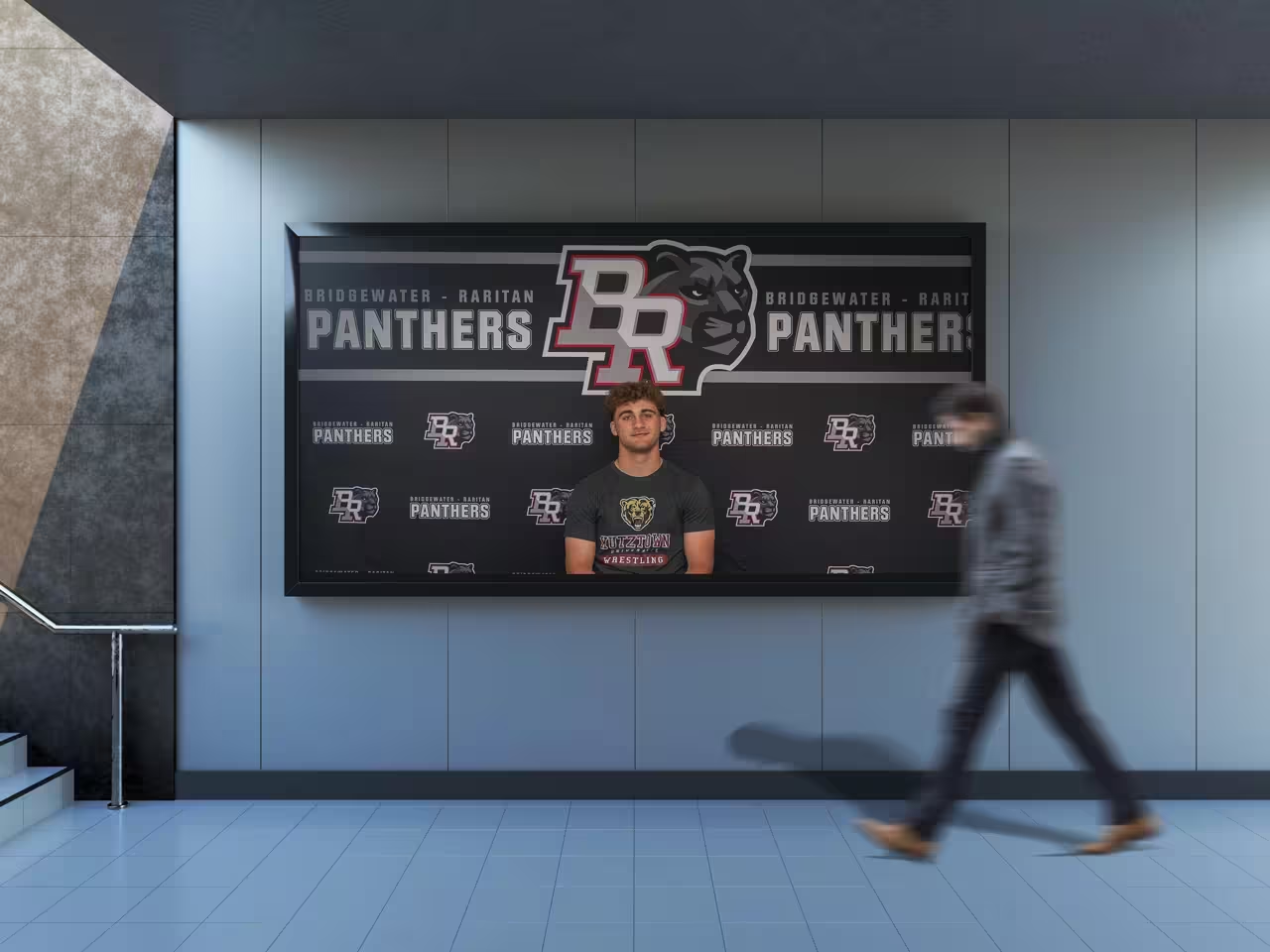
Bridgewater-Raritan High School is a good example of this done well: a complete identity system that works across athletics, academics, signage, merchandise, and digital with a unified design language.
Know who you’re recruiting
High school recruitment speaks to two audiences at the same time: students and parents. They care about different things.
Students are looking for a place where they belong. They care about culture, pride, athletics, arts, social life, and whether the school feels like somewhere they’d be proud to say they go. The brand speaks to students through spirit wear they want to wear, a social media presence they want to follow, and an identity they want to claim as their own.
Parents are looking for outcomes. Academic rigor, college placement, safety, teacher quality, facilities, and community. The brand speaks to parents through a professional website, clear messaging about what makes the school different, campus presentation that signals investment, and referral conversations with other parents who can say something specific.
When the brand works for both audiences simultaneously, enrollment takes care of itself.
What makes a high school stand out
Every high school says “academic excellence” and “well-rounded education.” The schools that actually stand out are the ones that can point to something specific.
Maybe it’s the engineering program with industry partnerships. Maybe it’s the performing arts department that produces at a professional level. Maybe it’s the athletic program that develops character alongside competition. Maybe it’s the community service requirement that connects students to the town in meaningful ways.
Whatever it is, the brand should be built around it. Positioning that’s specific enough for a parent to repeat at a dinner party is positioning that drives enrollment. “They have the best STEM program in the county” beats “they provide quality education” every time.
The digital side
The website is where parents research. If it looks like 2012, families are forming conclusions about the school before they visit. Google search presence determines whether families find you at all. Social media is where students evaluate whether the school feels alive.
Photography powers all three. Professional images of students engaged in real moments communicate more about school quality than any paragraph of copy. Athletics photography, classroom moments, community events, campus beauty shots: these are the raw materials that make the digital brand work.
Community integration
High schools that exist as isolated institutions miss the enrollment and community support benefits that come from being woven into the town’s identity. Sponsor local events. Make facilities available for community use. Partner with local businesses for internships and mentorship. Display the brand visibly beyond the campus fence line through environmental branding and community signage.
When the community sees the school as a source of pride rather than just a building where classes happen, bond referendums pass, families advocate, alumni stay connected, and enrollment stabilizes even in challenging demographic conditions.
For schools considering a rebrand, our guides on when to redesign your logo, high school rebranding, and the first 100 days after a rebrand cover the practical side.
Where to start
- Run a brand audit
- Explore high school branding services
- See high school projects in our portfolio
- Talk to us
More on this topic: Unify Athletic and Academic Branding | School Branding and Student Belonging | Alumni Resistance Playbook | Mascot Design Psychology | Spirit Wear as Marketing
We Build and Manufacture Mascot Costumes
A professionally built mascot costume creates unforgettable moments at games, rallies, and community events.

See Full Details →
Design to Delivery
We manage everything
6-12 Week Delivery
In time for your season
Safety First
Ventilation & visibility
Custom Projects
Professional quality
School Marketing Design | Enrollment Campaigns & Materials
Turn your brand into enrollment campaigns
Transform your school's marketing with compelling campaigns, enrollment materials, and digital strategies that drive student recruitment and community engagement.
Get Marketing Help →Related
School Marketing Design | Enrollment Campaigns & Materials
Transform your school's marketing with compelling campaigns, enrollment materials, and digital strategies that drive student recruitment and community engagement.
View detailsRelated
Charter Application Branding - Professional Identity for Authorizer Approval
Professional charter application branding that demonstrates operational readiness to authorizers. Complete brand identity, website, and application materials. Charter-specific packages for charter schools.
View details