School Branding Blog
School Open House & Campus Visits: Convert Visitors Into Enrolled Families
- Author
- Mash Bonigala · Creative Director
- Published
- March 20, 2026
- Read
- 12 min

School Open House & Campus Visits: Convert Visitors Into Enrolled Families
A family walks through your front doors on open house night. They spend 45 minutes touring classrooms, listening to the principal, eating snacks in the cafeteria. They leave with a folder. And you never hear from them again.
This is the reality at most schools. Open houses draw a crowd but don’t close the deal. The event feels like a formality - something schools have always done - rather than what it should be: the single highest-converting touchpoint in your entire enrollment funnel.
Here’s the reality. A family who visits your campus is far more likely to enroll than one who only interacts with you online. But “more likely” is not “guaranteed.” The gap between a campus visit and a signed enrollment form is where most schools lose families - and where strategic brand experience design makes all the difference.
From our work across 250+ K-12 branding and enrollment projects, schools that treat open houses as branded conversion events - not information dumps - convert far more visitors into applications than schools that treat them as a formality. That’s not a marginal improvement. That’s the difference between filling seats and scrambling for waitlist families in July.
Related: school marketing plan template • branding that drives enrollment • brand messaging framework • email marketing for enrollment • alumni as brand ambassadors
Why Campus Visits Are Your Highest-Leverage Enrollment Tool
Digital marketing drives awareness. Your website builds credibility. Social media keeps you visible. But the campus visit is where the enrollment decision actually happens. Timing matters too: our enrollment calendar maps the optimal months for open houses and every other brand touchpoint.
The pattern is unambiguous:
- Many families say the campus visit was the most influential factor in their enrollment decision
- Parents who complete a campus tour and receive prompt follow-up are much more likely to move to the application stage
- First impressions form in seconds - before a single word is spoken, your campus environment is telling a story
The problem is that most schools optimize everything except the visit itself. They invest in websites, run digital ads, post on social media - then funnel all that hard-won traffic into an open house experience that feels generic, unplanned, and disconnected from the brand families saw online.
The disconnect kills conversion. If your website promises innovation and your hallways look like 1997, families notice. If your social media radiates warmth and your open house feels like an audit, families feel it. The campus visit must deliver on every brand promise you’ve made - and then exceed expectations.
Phase 1: Pre-Visit - Build Anticipation Before They Arrive
The open house experience starts long before families walk through the door. The pre-visit phase shapes expectations, qualifies interest, and ensures that the people who show up are genuinely considering your school.
Registration, Not Just Promotion
Stop treating open houses like public events. Treat them like exclusive invitations.
Require registration. This does three things: it gives you contact information for follow-up, it creates a commitment that increases attendance rates, and it allows you to personalize the experience based on family data.
Your registration page should:
- Reflect your visual brand (colors, typography, imagery) - not a generic Google Form
- Ask for the child’s current grade, how they heard about your school, and what matters most to them in a school
- Confirm registration with an immediate branded email that includes parking details, what to expect, and a short video welcome from the principal
- Send automated reminders at 1 week, 3 days, and day-of
Schools that use branded registration with automated reminders see substantially higher show rates than schools that just post a flyer.
Digital Touchpoints That Build Momentum
Between registration and event day, families should receive 2-3 touchpoints that build excitement and reinforce your brand:
Touchpoint 1 - The Welcome Video (immediately after registration). A 60-90 second video from the principal or head of school. Not scripted, not produced - authentic. “We’re so glad you’re coming. Here’s what makes our school different.” Include one specific detail about your school that’s hard to find online.
Touchpoint 2 - The Parent Story (3-5 days before). A short email featuring a current parent’s testimonial about their family’s enrollment journey. Real name, real photo, real story. “We visited four schools. We enrolled here because…” This is social proof delivered at the exact moment families are evaluating options.
Touchpoint 3 - The Practical Reminder (day before). Logistics: parking, entrance location, event schedule, what to wear. Remove every friction point that might prevent attendance. Include a campus map if your layout isn’t intuitive.
Related: digital-first school branding strategy • school social media strategy • website optimization for enrollment
Phase 2: The Arrival - First Impressions Are Brand Impressions
The first 90 seconds on campus determine whether a family leans in or checks out. This is where environmental branding - signage, wayfinding, and campus identity - earns its investment.
Exterior Cues
Before a family reaches your front door, they’re reading your campus:
- Signage. Is it professional, current, and consistent with your brand? Or faded, cluttered, and competing with five different banner styles? A single, well-designed welcome banner that says “Welcome, Future Wildcats - Open House Tonight” does more than a dozen generic signs.
- Landscaping and cleanliness. It doesn’t have to be expensive. It has to be intentional. Trimmed hedges, clean walkways, and working lights communicate “we care about details.”
- Parking guidance. Branded directional signs or volunteers with matching shirts directing traffic. This sounds small. It’s not. Confused families arrive stressed. Guided families arrive impressed.
The Welcome Station
Do not let families wander into your building ungreeted. The welcome station is your brand’s handshake.
What it includes:
- A branded welcome table with signage, name tags, and a printed schedule
- 1-2 trained greeters (parent ambassadors or admissions staff) who make eye contact, use names, and radiate genuine warmth
- A branded welcome packet - not a stuffed folder of loose papers, but a clean, designed piece that families want to keep
- A check-in process (tablet or clipboard) that captures the family and links back to their registration data
What it does not include: a lonely folding table, a stack of photocopied flyers, or an unmanned sign that says “Welcome - Please Sign In.”
The welcome station sets the emotional tone for everything that follows. Invest here.
Real-world proof
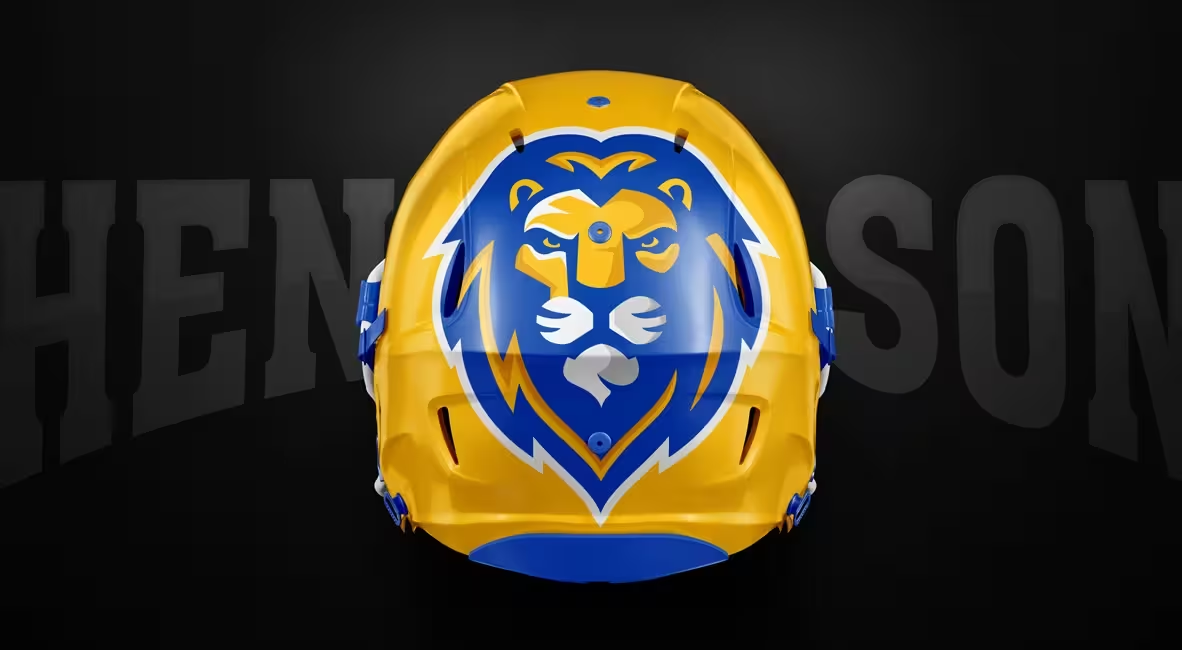
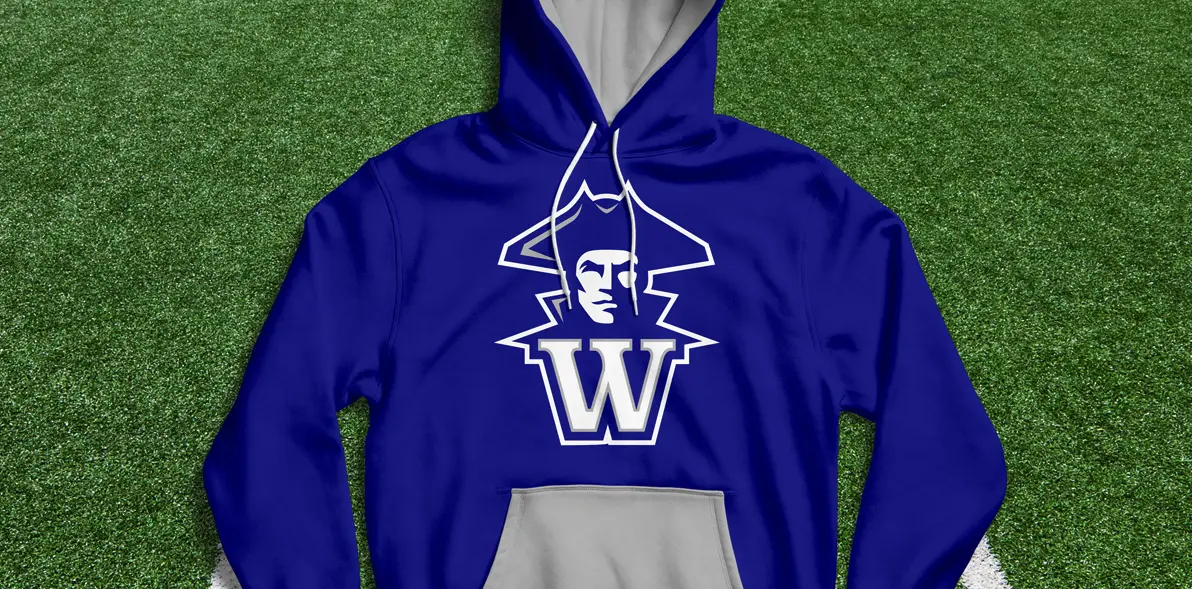
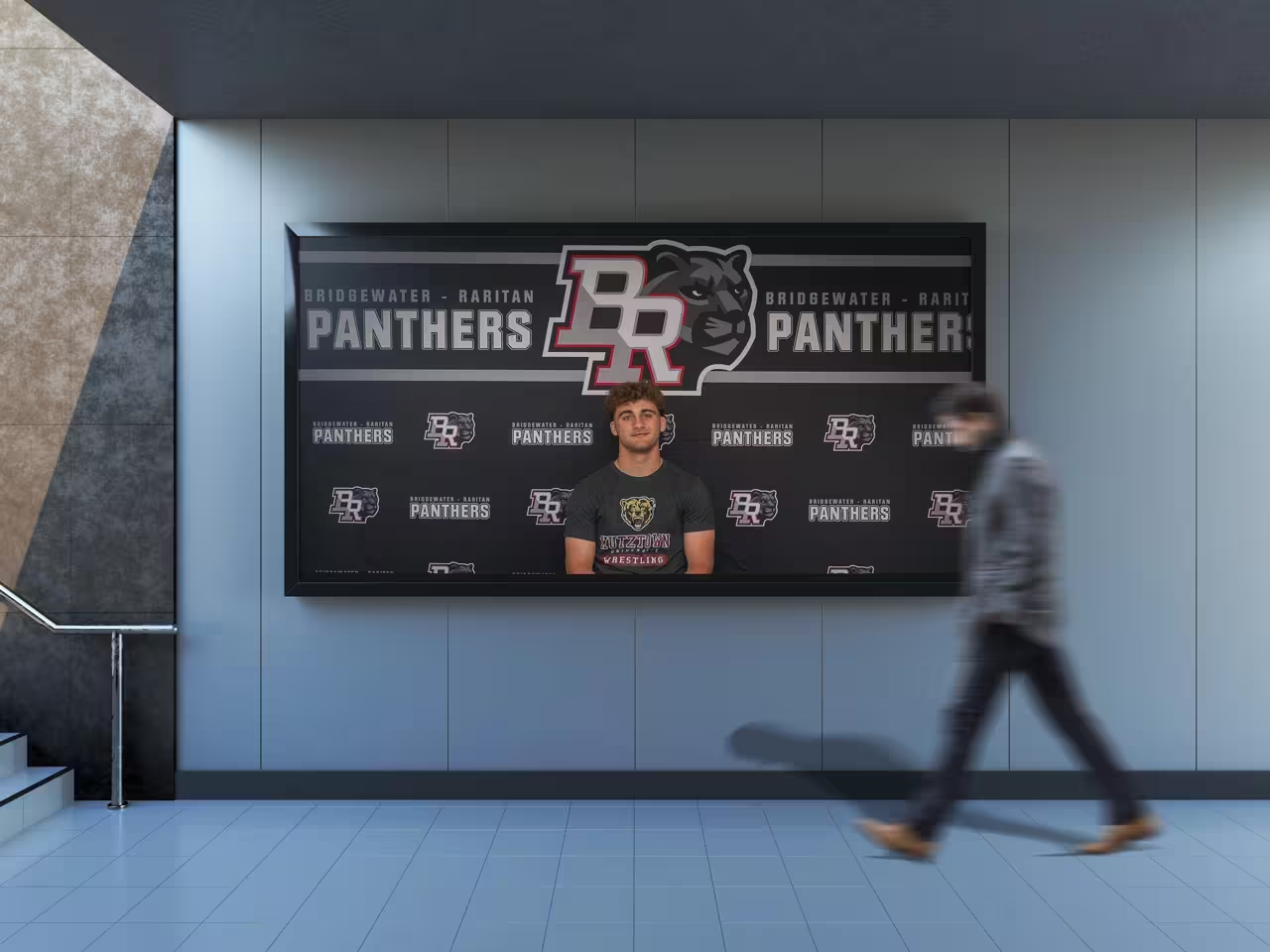
Schools with Brand-Driven Campus Experiences
Phase 3: The Tour - Tell Your Story Through Space
A campus tour is not a building walk-through. It’s a narrative experience. Every hallway, classroom, and common space is a chapter in your brand story - if you design it that way.
Guided vs. Self-Guided
Always guided. Self-guided tours save staff time and lose families. A trained guide controls the narrative, highlights what matters, anticipates questions, and creates emotional connection. The guide is your brand, personified.
Who should guide?
- Current students (middle and high school) are the most persuasive tour guides. Parents trust student authenticity more than administrator talking points.
- Teachers work well for early childhood and elementary - parents want to see the people who will care for their children.
- Admissions staff should guide VIP or private tours where the family needs detailed program information.
Train every guide. Not just on logistics, but on storytelling. Each stop on the tour should have a key message, a proof point, and an emotional beat:
| Tour Stop | Key Message | Proof Point | Emotional Beat |
|---|---|---|---|
| Front entrance | ”You belong here” | Student artwork displayed, diversity visible | Warmth, belonging |
| Classroom | ”Learning is active” | Live demonstration or student work samples | Curiosity, excitement |
| Library/media center | ”We invest in resources” | Technology, book collection, quiet spaces | Confidence, trust |
| Athletics/arts | ”The whole child matters” | Trophies, performances, student-led clubs | Pride, possibility |
| Cafeteria/commons | ”Community is real here” | Photos of events, family nights, traditions | Connection, joy |
Environmental Branding Along the Route
Your hallways should do half the selling:
- Consistent visual identity. Branded banners, school colors on accent walls, logo lockups on glass doors. Families should never wonder “whose building is this?”
- Student work displays. Curated, well-mounted, and current. Not curling paper taped to cinder block. Framed or gallery-style displays signal that you value what students create.
- Data walls (done well). Growth metrics, college acceptance maps, awards - presented as branded infographics, not spreadsheet printouts.
- Mascot presence. Your mascot identity should be visible throughout campus - murals, floor graphics, spirit wear on staff. It reinforces belonging and school pride.
Related: visual identity systems guide • school brand identity • psychology of school colors
Phase 4: The Conversation - Answer the Questions They Won’t Ask
Open house presentations typically feature the principal talking for 20 minutes about test scores and accreditation. This is the part where families tune out.
What parents actually want to know:
- Will my child be safe here?
- Will my child be known - not just enrolled, but truly seen?
- Will this school challenge my child without breaking them?
- Will I feel welcome as a parent, or tolerated as a visitor?
- Can we afford this - and is it worth it?
Design your presentation around these questions, not your org chart.
Format That Converts
Skip the auditorium lecture. Instead:
Station-based model. Set up 4-6 themed stations around campus. Families rotate at their own pace. Each station is staffed by the right person - the counselor at the “student support” station, the athletic director at the “whole child” station, a current parent at the “family experience” station.
Benefits of stations over presentations:
- Families control their own experience and spend time on what matters to them
- Conversations replace monologues - and conversations build trust
- You can observe which stations draw the most interest (data for your follow-up)
- Introverted families aren’t trapped in a crowded auditorium
Mini-lessons. If you want to showcase teaching quality, let families sit in on a 10-minute sample lesson. Choose your strongest teacher. Let them teach - not present. There’s a difference. A parent watching their child light up during a hands-on science demo remembers that forever.
The Closing Moment
Every open house needs a clear, confident close - not an awkward “well, thanks for coming.”
What the close should include:
- A specific next step: “Here’s how to schedule a private follow-up visit” or “Applications open tonight - here’s the link”
- A printed card (branded, of course) with the next step, a QR code, and admissions contact info
- A personal goodbye from someone in leadership - handshake, eye contact, the family’s name if possible
Do not let families leave without a next step in hand. The open house energy fades within 48 hours. If you haven’t given them a clear action to take, that energy dissipates into “we’ll think about it” - which usually means “we’ll forget about it.”
Phase 5: Post-Visit - The Follow-Up That Closes
This is where most schools fail completely. They pour resources into the event and then go silent. The follow-up sequence is not optional. It’s where conversion happens.
The 48-Hour Rule
Within 24 hours: Send a personalized thank-you email. Not a mass blast - a message that references something specific. “It was great meeting your family at the science station - Maya seemed fascinated by the robotics demo.” If you can’t personalize every email, at least segment by grade level interest.
Within 48 hours: A phone call or text from admissions. Not a voicemail. A real conversation. “I wanted to check in after last night - did any questions come up that we can help with?” Schools that make personal contact within 48 hours convert noticeably better than those that rely on email alone.
The Nurture Sequence
After the initial follow-up, launch a 3-email sequence over the next 2-3 weeks:
Email 1 (Day 3-5) - Social Proof. A parent testimonial or short video story. “Here’s why the Martinez family chose [School Name].” Address the most common hesitation for your school type - cost for private, quality for charter, differentiation for public.
Email 2 (Day 8-10) - Address Objections. FAQ-style content that tackles the concerns families don’t voice during the open house. Financial aid options, transportation, before/after care, transition support for new students. Remove barriers.
Email 3 (Day 14-17) - Urgency and Invitation. Enrollment deadline reminder, private tour invitation, or application assistance offer. “Spots are filling - here’s how to secure yours.” This isn’t pressure - it’s service. Families procrastinate. Deadlines help.
Related: email marketing for enrollment • brand voice guide • brand consistency and enrollment
Benchmarks: What Good Looks Like
Track these metrics for every open house and campus visit program:
| Metric | Below Average | Average | High-Performing |
|---|---|---|---|
| Registration-to-attendance | Below 30% | 40-50% | 60-75% |
| Tour-to-application rate | Below 15% | 20-30% | 40-60% |
| Application-to-enrollment | Below 40% | 50-65% | 70-85% |
| Post-visit follow-up rate | Below 25% | 50% | 90-100% |
| Families citing visit as deciding factor | Below 40% | 55-65% | 75%+ |
The compound effect matters. If you improve registration-to-attendance from 40% to 65%, tour-to-application from 25% to 45%, and application-to-enrollment from 55% to 75%, you’ve nearly tripled your enrollment yield from the same number of registrations.
Common Open House Mistakes
The information overload. Families don’t need to know your accreditation history, your budget allocation model, and your five-year strategic plan on night one. They need to feel something. Lead with emotion, follow with information - not the reverse.
The unstaffed hallway. Every space a family can access during an open house should have a person in it. Empty hallways feel abandoned. Staffed hallways feel alive. If you don’t have enough staff, shorten the tour route.
The mismatched brand. If your website shows modern, vibrant imagery and your open house materials are black-and-white photocopies, you’ve broken trust. Every printed piece, every slide, every name tag should match your brand guidelines. Consistency signals competence.
The missing students. An open house without students is a building tour. Students are the proof that your school works. Feature them - not as props, but as ambassadors who genuinely represent the culture. A student who says “I love it here” and means it is worth more than any brochure.
The forgotten follow-up. You spent $2,000 on the event and $0 on what happens after. Flip that ratio. The event is the invitation. The follow-up is the conversion.
The Open House as Brand Experience
The best school open houses don’t feel like open houses. They feel like a preview of what it’s like to belong.
Every detail - from the parking lot to the goodbye handshake - either reinforces your brand or undermines it. There’s no neutral. Families are evaluating every sensory input against the question: “Is this the right school for my child?”
Schools that answer that question intentionally, through designed experiences rather than default routines, don’t just fill seats. They build waitlists.
Start with your brand. Design the experience around it. Execute every touchpoint with the same care you bring to the classroom. Follow up like enrollment depends on it - because it does.
Ready to build the brand experience that converts campus visitors into enrolled families? Explore our school branding services or see how we’ve helped 250+ schools create brand systems that drive enrollment growth.
We Build and Manufacture Mascot Costumes
A professionally built mascot costume creates unforgettable moments at games, rallies, and community events.

See Full Details →
Design to Delivery
We manage everything
6-12 Week Delivery
In time for your season
Safety First
Ventilation & visibility
Custom Projects
Professional quality
School Marketing Design | Enrollment Campaigns & Materials
Turn your brand into enrollment campaigns
Transform your school's marketing with compelling campaigns, enrollment materials, and digital strategies that drive student recruitment and community engagement.
Get Marketing Help →Related
School Marketing Design | Enrollment Campaigns & Materials
Transform your school's marketing with compelling campaigns, enrollment materials, and digital strategies that drive student recruitment and community engagement.
View detailsRelated
Charter Application Branding - Professional Identity for Authorizer Approval
Professional charter application branding that demonstrates operational readiness to authorizers. Complete brand identity, website, and application materials. Charter-specific packages for charter schools.
View details