School Branding Blog
How School Mascots Evolved From Symbols to Brand Systems
- Author
- Mash Bonigala · Creative Director
- Published
- June 25, 2024
- Read
- 5 min
Related: Complete Mascot Design Guide | Role of a School Mascot | Mascot Logo Design
School mascots started as simple athletic symbols. An eagle on a jersey. A bulldog painted on a gym wall. Something to rally behind at football games and print on the yearbook cover. The selection was usually straightforward: pick an animal that sounds tough, draw it, and move on.
That was fine when a school’s brand existed entirely within its physical walls. The mascot showed up at games, on a few signs, and maybe on a t-shirt. The design quality didn’t matter much because the context was limited.
That world is gone. Today a school mascot needs to work on a phone screen at 44 pixels, on a social media profile photo, on a website header, on spirit wear that students choose to buy and wear voluntarily, on campus signage visible from the street, on athletic uniforms across multiple sports, and on a mascot costume that performs at events. A clip-art eagle from 1997 can’t do any of that.
Data: Eagles are the most common US high school mascot (1,419 schools), 55.7% of mascots are animals, and 10 states now restrict Native American mascots. Every number and its source is on our School Mascot Statistics 2026 page.
What changed
Mascots became identity systems
The biggest shift is that mascots are no longer standalone illustrations. They’re the anchor of complete visual identity systems: primary marks, athletic marks, academic marks, icons, wordmarks, color palettes, typography, and brand guidelines that ensure consistency across every application. Building that entire framework is the work of visual identity design, and our guide on unifying athletic and academic branding covers how it fits together in practice.
Cultural sensitivity reshaped mascot choices
Mascots that once celebrated ethnic stereotypes or appropriated indigenous imagery have been scrutinized and, in many cases, retired. This isn’t just about avoiding controversy. It’s about building an identity the entire community can embrace. Schools that navigated mascot changes thoughtfully came out with stronger brands. Schools that fought the conversation came out with damaged community relationships.
Willsboro Central School is a good example: they transitioned from warrior imagery to a wolf identity that the whole community could rally behind.
Digital killed the one-size-fits-all mascot
When the only applications were a gym wall and a jersey, a single illustration could handle everything. Now a mascot needs to be recognizable at avatar size on Instagram, detailed enough for a costume, simplified enough for embroidery, and adaptable enough for animation, social media templates, and merchandise across dozens of product types.
This is why professional mascot design now includes multiple variations by default: a primary mark, a simplified icon, sport-specific adaptations, and size-optimized versions. The mascot design psychology behind what makes students adopt or reject a mascot has become increasingly sophisticated.
Mascots became enrollment tools
The connection between mascot quality and enrollment is now well established. A professionally designed mascot that students are proud of drives spirit wear adoption, which creates community visibility, which fuels referral conversations, which generates enrollment inquiries. A dated or amateurish mascot short-circuits that entire chain.
Schools that invest in mascot reveals as community events generate more enrollment momentum from a single day than from months of advertising.
Mascots went from athletic symbols to belonging mechanisms
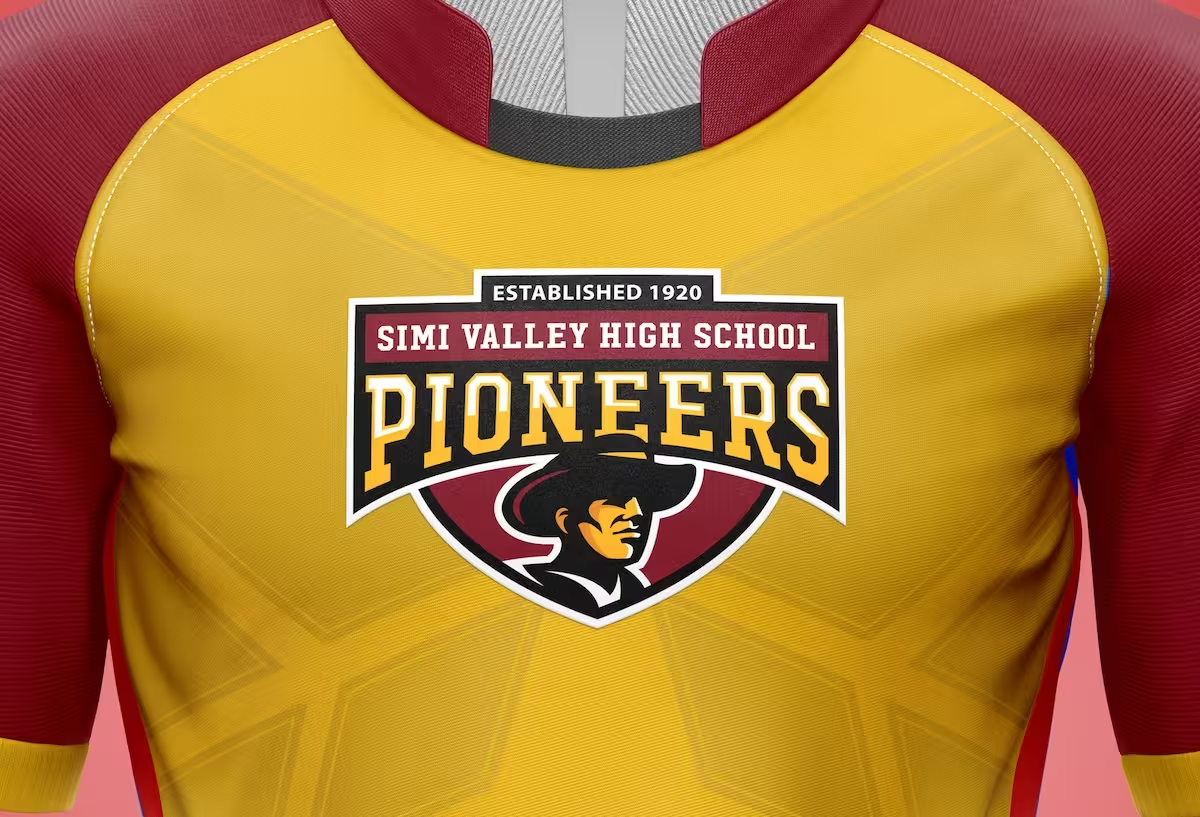
The most important shift is the recognition that mascots create student belonging. When students say “I’m a Wildcat” or “we’re the Pioneers,” they’re not describing the school. They’re describing themselves. The role of the mascot has expanded from athletic rallying point to the primary symbol around which school identity and community pride organize.
That’s a significant evolution from painting a bulldog on the gym wall.
Where to start
- Explore mascot design services
- Read the complete mascot design guide
- See mascot projects in our portfolio
- Talk to us
More on this topic: Mascot Design Psychology | Mascot Redesign Checklist | Mascot Costume Production | What a Mascot Costume Costs | Mascot Reveal Events
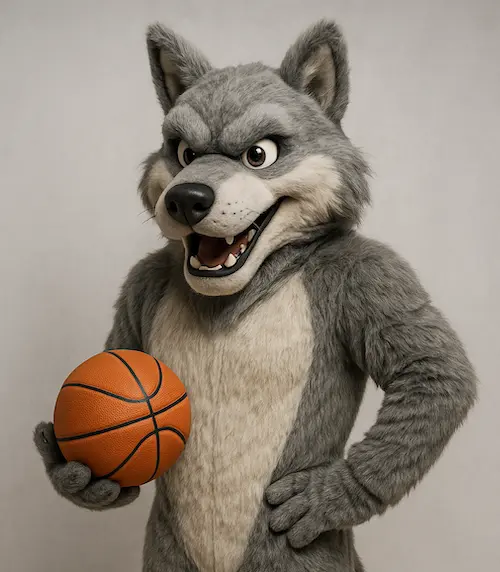
We Build and Manufacture Mascot Costumes
A professionally built mascot costume creates unforgettable moments at games, rallies, and community events.
See Full Details →
Design to Delivery
We manage everything
6-12 Week Delivery
In time for your season
Safety First
Ventilation & visibility
Custom Projects
Professional quality
School Mascot Logo Design
Get an enrollment-ready mascot your community loves
Custom mascot logos and identity systems that boost spirit, enrollment, and pride.
Get Mascot Pricing →Related
School Mascot Logo Design
Custom mascot logos and identity systems that boost spirit, enrollment, and pride.
View detailsRelated
Charter Application Branding - Professional Identity for Authorizer Approval
Professional charter application branding that demonstrates operational readiness to authorizers. Complete brand identity, website, and application materials. Charter-specific packages for charter schools.
View details