School Branding Blog
How to Order a School Mascot Costume: Complete Buying Guide
- Author
- Mash Bonigala · Creative Director
- Published
- March 21, 2026
- Read
- 14 min

Related: School Mascot Costume Complete Guide • Mascot Costume Construction Process • Mascot Costume Service
TL;DR
Ordering a school mascot costume takes 10-18 weeks from first call to delivery. Budget $2,500-$10,000 depending on complexity. The six steps: set your budget, build your requirements, choose a vendor, approve the design, manage production, and plan your launch. Schools that bundle design and costume production with one vendor save time, money, and headaches.
Before You Start: What to Know
Ordering a mascot costume is not like ordering supplies from a catalog. It is a custom manufacturing project that involves character design, material selection, professional construction, and delivery logistics. Most schools only do this once every 5-10 years, which means the person leading the project - whether that is an athletic director, principal, booster club president, or communications director - is usually doing it for the first time.
The most common mistakes schools make:
- Buying too cheap. Budget costumes ($1,500 or less) use inferior materials and wear out in 1-2 seasons. You end up spending more replacing it than you would have spent on a quality costume upfront.
- Not involving stakeholders early. If the school board, booster club, and athletic department are not aligned on budget and design direction before you start, you will face delays and disagreements that extend the timeline by weeks.
- Skipping the design phase. Sending a logo file to a costume company and hoping for the best almost always produces a costume that does not match what you envisioned. The design phase is where you control the outcome.
- Waiting too long to start. If you need a costume for the fall season opener, you should start the process no later than April. Production alone takes 6-12 weeks, plus design time on top of that.
This guide walks you through each step so you avoid these pitfalls and end up with a mascot costume your school is proud to put on the field.
Step 1: Set Your Budget
Before you contact any vendor, get clear on your budget. This prevents wasted time pursuing options outside your range and helps you have direct conversations with vendors about what is realistic.
Typical Price Ranges
| Tier | Price Range | What You Get |
|---|---|---|
| Budget | $2,000-$3,500 | Simple design, basic materials (fleece, standard foam). Good for elementary schools with light use. May last 2-3 seasons. |
| Mid-Range | $3,500-$6,500 | Custom design, quality materials, breathable construction. Where most K-12 schools land. Lasts 5-7 years. |
| Premium | $6,500-$10,000+ | Advanced features (cooling systems, LED elements, premium fur), heavy-duty construction. For high-visibility programs. Lasts 7-10+ years. |
What Affects Cost
- Design complexity: A simple animal head and body suit costs less than a detailed character with armor, props, and multiple texture zones.
- Materials: Basic fleece is cheap but hot and wears quickly. Premium faux fur with breathable mesh liners costs more but lasts significantly longer.
- Features: Cooling fans, articulated jaws, LED eyes, and removable accessories each add to the price.
- Timeline: Rush production (under 6 weeks) typically adds $500-$1,500 to the price.
Budget Breakdown
Plan for more than just the costume itself:
- 60-70% - Costume design and construction
- 15-20% - Design fees (if separate from build)
- 10-15% - Accessories, shipping, storage case
- Reserve 15-20% annually - Maintenance, replacement parts (gloves and feet wear out first)
Most vendors accept school purchase orders. If you are funding through a booster club or PTA, confirm the vendor accepts those payment methods before investing time in the process. See our fundraising guide for strategies to raise $3,500-$8,000 in 8-12 weeks.
Step 2: Build Your Requirements
Before contacting vendors, document what you need. This saves everyone time and ensures you get accurate quotes.
Character Design
- Do you have an existing mascot logo? If yes, the costume will be designed from it. If the logo was not originally designed with a 3D costume in mind, adjustments may be needed for proportions, visibility, and construction.
- Do you need a new design? Some vendors design and build; others only build from existing artwork. This is a critical distinction when choosing your vendor.
Performance Needs
- Indoor, outdoor, or both? Outdoor costumes need UV-resistant materials and enhanced ventilation.
- Climate: Hot climates require breathable mesh, cooling vents, and potentially a cooling vest. Cold climates need insulation without adding weight.
- Event types: Sideline performances require more mobility than photo ops at school events.
- Frequency of use: A costume used 3 times a week needs heavier-duty construction than one used monthly.
Performer Considerations
- Size range: Most school costumes accommodate performers from 5’4” to 6’2”. Specify your expected range.
- Visibility: The performer needs clear sightlines through the head. This is a safety requirement, not a nice-to-have.
- Weight: The total costume should not exceed 25-30 pounds. Lighter is always better for performer endurance.
Timeline
- Standard: 10-18 weeks from first call to delivery (2-3 weeks design, 6-12 weeks production, 1 week shipping)
- Rush: 8-12 weeks with rush fees
- Work backward from your event date. If your first football game is September 1, start the process by mid-April at the latest.
Step 3: Choose Your Vendor
This is the most consequential decision in the process. The wrong vendor will cost you time, money, and a costume that does not meet your expectations.
Questions to Ask Every Vendor
- Do you design the mascot or just build from an existing design? This determines whether you need to hire a separate designer.
- Can I see photos of costumes you have built for schools? Request 5+ examples. Look for consistency in quality.
- Can I speak with a reference school? Any reputable vendor will connect you with a past client.
- What is included in the price? Get specifics: design, 3D rendering, construction, fitting, shipping, care guide.
- What is your revision policy? How many design revisions are included? What happens if the finished costume does not match the rendering?
- Do you accept school purchase orders?
- What is your warranty or repair policy?
Red Flags
- No portfolio of past school work
- No references available
- Price significantly below $2,000 for a custom costume (likely a reseller, not a builder)
- No 3D rendering or design approval step before production
- “One size fits all” claims - proper costumes are sized to your performer range
- No care guide or maintenance support
Why Design + Build Under One Roof Matters
When the same team designs your mascot logo and manages costume production, several problems disappear:
- Color accuracy: The designer specifies exact Pantone matches that carry through to fabric selection.
- Proportions: The designer creates the character knowing it will be a 3D costume, so head-to-body ratio, limb length, and feature placement all work in three dimensions.
- Character personality: The fierce expression on your logo stays fierce on your costume because the same creative team controls both.
- Timeline: One vendor means one timeline, one set of milestones, and one point of accountability.
- Cost: Bundling design and production typically saves $500-$1,500 compared to hiring separate vendors.
See our detailed breakdown of why one vendor beats two.
Step 4: The Design Phase
Once you have selected your vendor, the design process begins. This is where your mascot goes from concept to reality.
Concept Development (Week 1-2)
Your vendor should start with a discovery call or questionnaire covering:
- Your school’s history, colors, and mascot identity
- How the costume will be used (games, assemblies, community events)
- Performer demographics
- Budget and timeline constraints
- References and inspiration
From this, the designer produces 2-4 concept sketches showing the character from multiple angles.
Stakeholder Review
This is where you present concepts to your decision-makers. A good vendor will provide materials formatted for committee review - not just rough sketches.
Tips for smooth stakeholder reviews:
- Limit the review group to 5-7 people maximum
- Present concepts side by side with your existing branding
- Use a simple scoring rubric (character, energy, brand alignment, versatility)
- Set a firm decision deadline (one week is sufficient)
3D Rendering and Approval
After the concept is approved, the vendor creates a detailed 3D rendering showing exactly what the finished costume will look like - colors, proportions, textures, and details.
This is your final approval point. What you approve in the 3D rendering is what will be built. Take this step seriously. Share it widely. Make sure everyone who has an opinion weighs in now, not after the costume arrives.
Material Selection
Your vendor should present fabric and material samples or specifications, especially for:
- Fur type and texture
- Head foam density
- Liner and ventilation materials
- Eye and mouth mesh
Premium vendors will send physical fabric swatches. At minimum, you should see high-resolution photos of the actual materials that will be used.
Step 5: Production and Delivery
Once you approve the 3D rendering and materials, production begins. This is the longest phase and mostly runs on the builder’s timeline.
What Happens During Production (6-12 Weeks)
- Head sculpting: Foam carving to create the character’s head shape
- Pattern development: Body suit patterns cut to specification
- Construction: Assembly of head, body, hands, and feet
- Detailing: Fur application, airbrushing, accessory attachment
- Quality control: Fit testing, visibility check, ventilation verification
Quality Checkpoints
A good vendor will send progress photos at key stages:
- Head sculpture (before fur application)
- Body suit pattern (before assembly)
- Near-complete costume (before final details)
Review these carefully. Changes are much easier and cheaper at the head sculpture stage than after the fur is already glued down.
Shipping and Receiving
- Professional costumes ship in custom crating or reinforced boxes
- Inspect immediately upon arrival - document any damage with photos
- Try on the costume within 48 hours and report any fit issues
- Most vendors offer a 30-day adjustment window
Step 6: Launch Your Mascot
You have the costume. Now make the most of it.
Plan a Reveal Event
The mascot reveal is a community moment. Do not waste it with a quiet announcement. Ideas:
- Pep rally reveal: Introduce the mascot at a school assembly with music, lighting, and fanfare
- Game-day debut: Unveil during a home game at halftime
- Community event: Partner with a booster club fundraiser or school carnival
- Social media countdown: Build anticipation with daily teasers the week before
Performer Training
Your first performer sets the tone for how the mascot is perceived. Cover the basics:
- How to put on and take off the costume safely
- Movement and gesture techniques (big, slow movements read better from a distance)
- Hydration and break schedule (20 minutes on, 20 minutes off in warm weather)
- How to interact with young children (get on their level, no sudden movements)
- Emergency procedures (how to signal for help, remove the head quickly)
Care and Storage Setup
Before the first event, set up your maintenance routine:
- Designate a climate-controlled storage space (never store in a shed, garage, or unheated room)
- Purchase a mannequin or support frame to maintain the head shape
- Create a cleaning log and assign responsibility
- Stock replacement supplies (cleaning spray, fabric freshener, extra gloves)
- Schedule deep cleaning every 4-6 weeks during active season
Ongoing Maintenance
Budget 15-20% of the original costume cost annually for:
- Replacement gloves and shoe covers (highest wear items)
- Spot cleaning supplies
- Annual deep cleaning
- Minor repairs (loose seams, fur patches)
- Storage supplies
Ordering Timeline Checklist
Working backward from a September 1 first-game date:
| When | Action |
|---|---|
| March-April | Set budget, build requirements, begin vendor research |
| April | Request quotes, review portfolios, select vendor |
| April-May | Discovery call, concept development, stakeholder review |
| May | Approve 3D rendering, confirm materials |
| May-July | Production (6-12 weeks) |
| July-August | Receive costume, fitting, adjustments |
| August | Performer training, care setup |
| September 1 | Game-day debut |
If you are reading this in spring, you are right on schedule. If it is summer and you need a costume for fall, contact vendors immediately - rush options may still be available but will cost more.
Common Questions
Can we use our existing mascot logo for the costume? Yes. Most costume projects start from an existing logo. If the logo needs adjustments to work well in 3D (proportions, detail level, color translation), a good vendor will advise on that during the design phase.
Do vendors accept school purchase orders? Most established mascot costume vendors accept school POs. Confirm this upfront and ask about their invoicing process to ensure it aligns with your district’s procurement requirements.
What if we need it by a specific date? Rush production is available from most vendors for an additional fee. Standard production runs 6-12 weeks; rush can compress to 4-6 weeks. The earlier you start, the more flexibility you have.
Can multiple performers wear the same costume? Yes. Professional costumes are designed for a range of performer sizes, typically 5’4” to 6’2”. The interior includes adjustable padding and straps to accommodate different body types.
What happens if the costume doesn’t match what we approved? This depends on your vendor agreement. Reputable vendors guarantee their work will match the approved 3D rendering. Get this in writing. Vendors that skip the 3D rendering step give you no recourse.
Ready to start? See our complete costume pricing, get a free estimate with timeline and budget for your school’s mascot costume, or schedule a quick call to talk through your project.
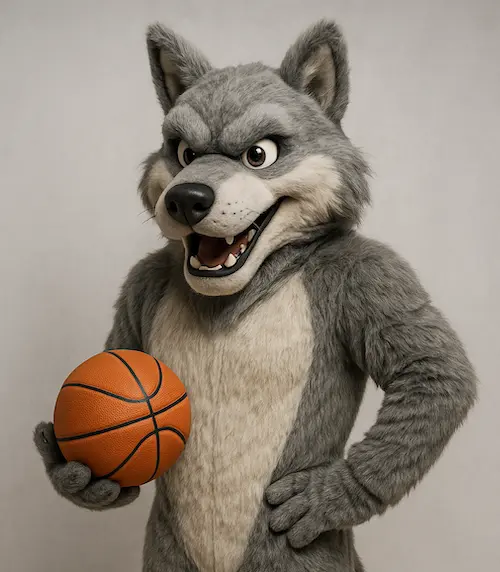
We Build and Manufacture Mascot Costumes
A professionally built mascot costume creates unforgettable moments at games, rallies, and community events.
See Full Details →
Design to Delivery
We manage everything
6-12 Week Delivery
In time for your season
Safety First
Ventilation & visibility
Custom Projects
Professional quality
Custom School Mascot Costume
Bring your mascot to life for game day
Custom school mascot costumes designed for visibility, comfort, and durability. We design, prototype, and manage production so your performer can move, engage, and win crowds.
Get Costume Pricing →Related
Custom School Mascot Costume
Custom school mascot costumes designed for visibility, comfort, and durability. We design, prototype, and manage production so your performer can move, engage, and win crowds.
View detailsRelated
Charter Application Branding - Professional Identity for Authorizer Approval
Professional charter application branding that demonstrates operational readiness to authorizers. Complete brand identity, website, and application materials. Charter-specific packages for charter schools.
View details