School Branding Blog
Mascot Costume Construction: Behind the Scenes of Professional Craftsmanship
- Author
- Mash Bonigala · Creative Director
- Published
- December 3, 2025
- Read
- 18 min

Related: School Mascot Costume Complete Guide • Why Schools Choose Custom-Manufactured Costumes • Mascot Performer Training Program • How to Plan a Mascot Reveal Event • Mascot Costume Service • Complete Mascot Design Guide
TL;DR
Professional mascot costume construction is a 6-12 week process involving hand-sculpted foam heads, custom airbrushing, precision pattern work, reinforced construction, and rigorous quality control. Master craftspeople use professional-grade materials and decades of experience to create costumes that look great on day one and perform for 5-10 years. This isn’t mass production - it’s custom craftsmanship.
The Art and Science of Mascot Construction
Creating a professional mascot costume is far more complex than most schools realize. What looks like a simple character suit is actually a sophisticated piece of engineering that balances aesthetics, performer safety, durability, and performance requirements. Every stitch, every seam, every ventilation port is carefully planned and executed by master craftspeople who understand the unique demands of school athletics and events.
After managing construction for 200+ school mascot costumes, we’ve seen firsthand how the construction process determines whether a costume becomes a beloved school symbol or sits unused in storage. The difference isn’t just in the mascot design - it’s in the craftsmanship, materials, and attention to detail that transforms a concept into a game-day ready costume.
Why Construction Quality Matters
A poorly constructed mascot costume fails in predictable ways: performers can’t see clearly, leading to safety issues. Ventilation fails, causing heat exhaustion during long events. Seams split under stress, requiring constant repairs. Materials fade or degrade, making the costume unusable after just one season.
Conversely, professionally constructed costumes deliver measurable results. Performers can see clearly and breathe comfortably, enabling longer performances and better student interaction. Reinforced construction withstands years of enthusiastic use, protecting your investment. Quality materials maintain their appearance season after season, ensuring your mascot always looks professional.
The difference is measurable: professionally constructed costumes last 5-10 years with proper care, while poorly constructed costumes often need replacement after 1-2 seasons. The upfront investment in quality construction pays dividends in longevity, performer safety, and school pride.
Phase 1: Design Translation and Specifications
From 2D Design to 3D Reality
The construction process begins long before any materials are cut. Master craftspeople analyze your mascot design to understand how it will translate into a three-dimensional costume that works for live performance.
Proportional Analysis involves calculating how design elements will scale in three dimensions. A head that looks perfect in a mascot logo might need 20-25% enlargement to ensure visibility from stadium bleachers. Facial features must be exaggerated enough for recognition at distance while maintaining the character’s personality. Body proportions require strategic adjustment to create that appealing cartoon-like quality that makes mascots endearing.
Performance Mapping identifies how the character will move and interact. Will it need to wave enthusiastically? Dance during halftime shows? Interact closely with students? Each movement requirement influences construction decisions - seam placement, material flexibility, weight distribution, and structural reinforcement.
Climate and Environment Planning considers where and when the costume will be used. Outdoor football games in hot climates require maximum ventilation. Indoor basketball games might prioritize appearance over ventilation. Understanding usage patterns ensures construction decisions match actual needs.
Technical Specifications Development
Before construction begins, detailed specifications document every aspect of the costume:
Material Specifications define exact fabric types, foam densities, thread weights, and hardware requirements. This isn’t generic “use good materials” - it’s specific technical requirements: “2-inch density foam for head structure, breathable mesh panels at 30% surface area, reinforced double-stitched seams with 92-weight polyester thread.”
Ventilation Engineering plans airflow systems that keep performers safe. This includes strategic mesh panel placement, ventilation port sizing, and airflow calculations based on performer size and activity level. Proper ventilation isn’t optional - it’s engineered into every design.
Safety Specifications document visibility requirements, weight limits, structural integrity standards, and performer safety protocols. Every construction decision prioritizes performer safety while maintaining character appearance.
Durability Requirements specify reinforcement points, stress point reinforcement, and material durability standards. High-wear areas like knees, elbows, and seams receive extra reinforcement to ensure years of reliable performance.
Phase 2: Head Construction - The Foundation
Hand-Sculpting the Character
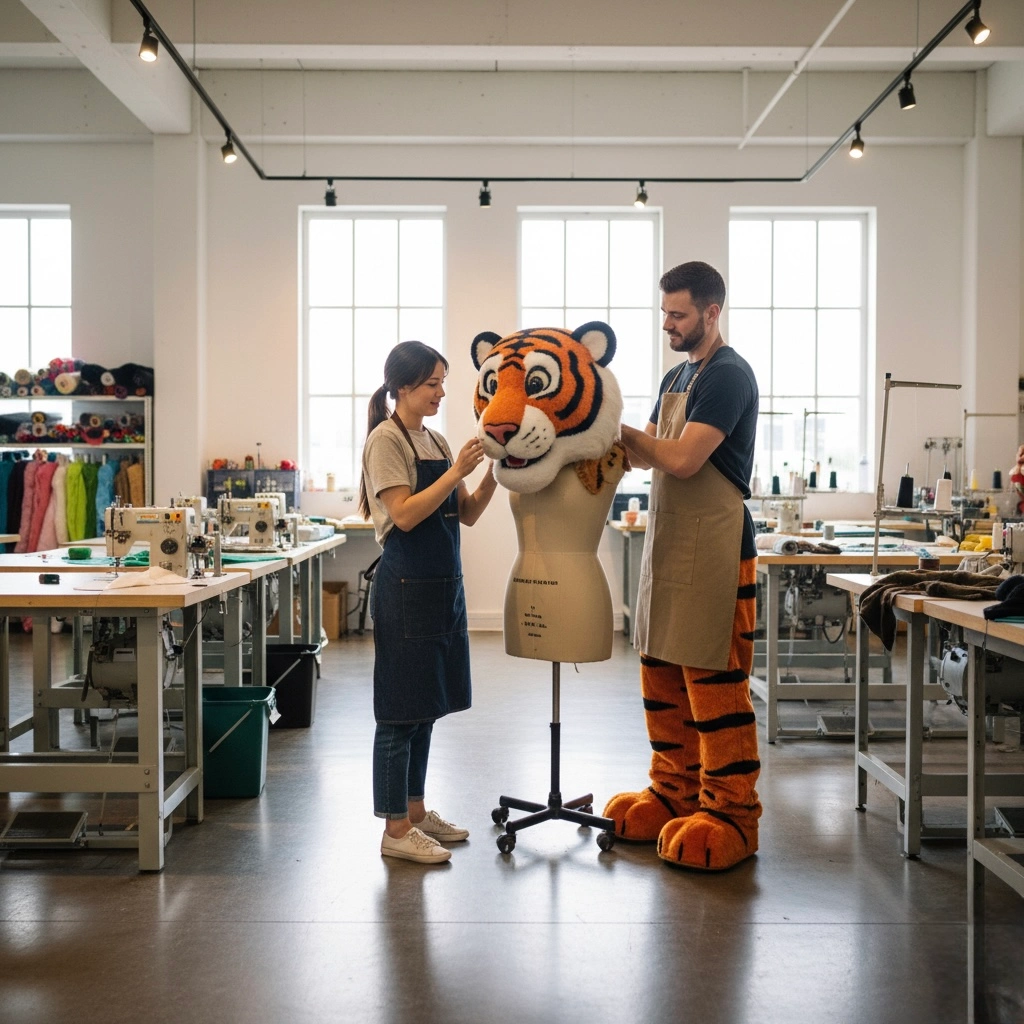
The mascot head is the most critical element - it’s what audiences see first and remember most. Professional head construction begins with hand-sculpting, where master artisans carve foam blocks into the character’s facial structure.
Foam Selection uses professional-grade polyurethane foam in specific densities. Softer foam allows for detailed sculpting but requires more reinforcement. Harder foam provides structural integrity but is more difficult to shape. Master craftspeople select foam density based on character requirements, balancing sculptability with durability.
Sculpting Techniques involve decades of experience in facial expression, proportion, and character personality. This isn’t just carving foam - it’s understanding how subtle changes in brow angle, eye shape, or mouth curve affect character perception. A slight adjustment can make a character look friendly instead of fierce, approachable instead of intimidating.
Structural Engineering ensures the head maintains its shape under stress. Internal reinforcement structures prevent deformation during performances, while strategic foam density variations create both structural integrity and sculptural detail. The head must be lightweight enough for comfort but strong enough to withstand years of use.
Airbrushing and Finishing
Once sculpted, the head receives custom airbrushing that brings the character to life. This isn’t simple painting - it’s creating depth, dimension, and character through color gradation and shading techniques.
Color Matching ensures the head matches your brand colors exactly. Professional airbrushing uses colorfast paints that maintain vibrancy under various lighting conditions - outdoor sunlight, indoor fluorescent, stadium lighting, and flash photography.
Depth and Dimension techniques create realistic fur texture, facial definition, and character personality. Master airbrushers use layering techniques to build depth, creating the illusion of three-dimensional fur or skin texture on a foam surface.
Protective Finishing applies clear coats that protect the paintwork while maintaining breathability. These finishes must withstand cleaning, weather exposure, and years of handling without cracking, fading, or degrading.
Ventilation and Visibility Engineering
Professional head construction prioritizes performer safety through engineered ventilation and visibility systems.
Visibility Ports are carefully positioned to maximize performer sightlines while maintaining character appearance. Port placement considers performer height, movement patterns, and interaction requirements. Mesh materials provide visibility without compromising character appearance.
Ventilation Systems include strategic mesh panels, ventilation ports, and airflow channels that prevent heat buildup. Proper ventilation isn’t just comfort - it’s safety. Performers wearing poorly ventilated costumes risk heat exhaustion, especially during outdoor events in hot weather.
Weight Distribution balances head weight to prevent neck strain. Professional construction distributes weight evenly, uses lightweight materials where possible, and positions heavier elements strategically to minimize performer fatigue.
Phase 3: Body Construction - Pattern and Assembly
Precision Pattern Development
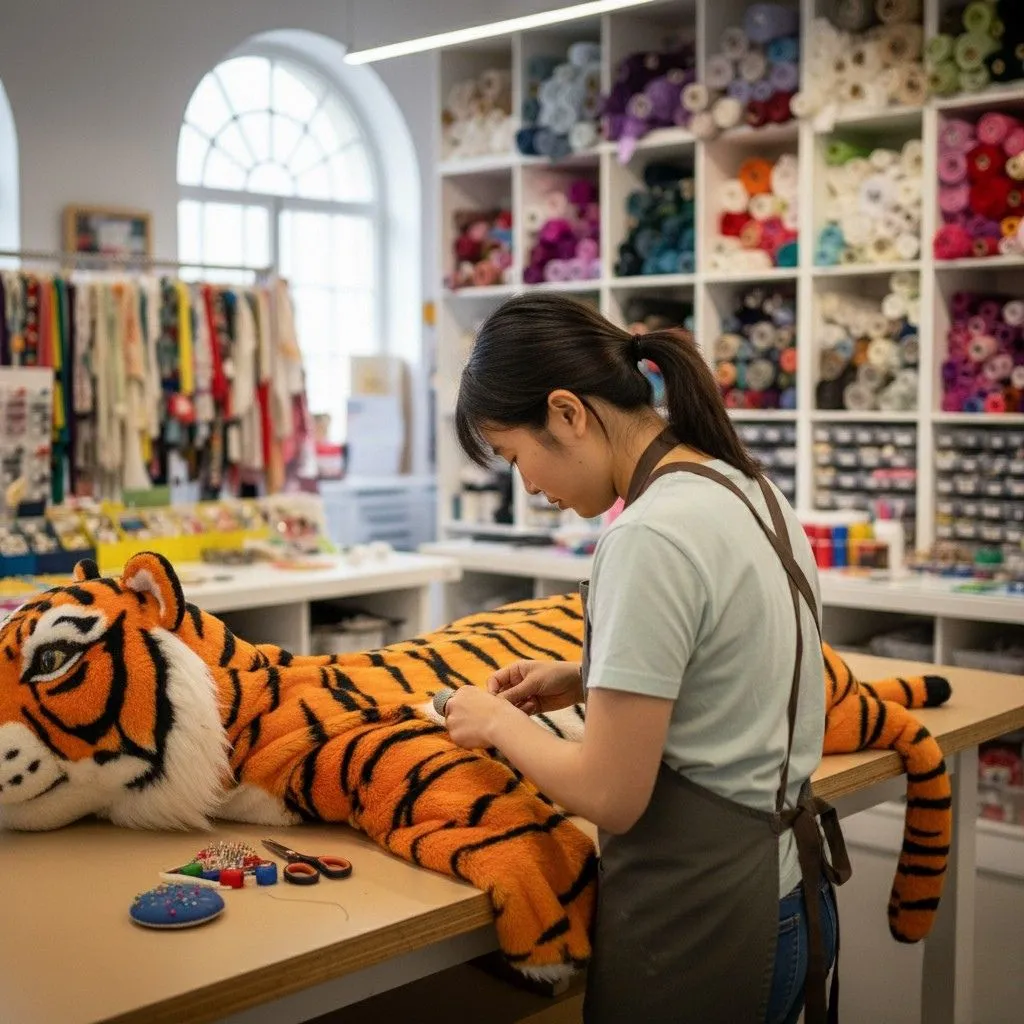
Body construction begins with pattern development - creating templates that translate your character design into wearable fabric pieces. This requires understanding how flat fabric will form three-dimensional shapes.
Pattern Engineering considers fabric stretch, seam placement, and body movement. Patterns must account for how fabric behaves when worn, how seams will stress during movement, and how the costume will fit different performer sizes.
Fit and Sizing creates patterns that accommodate multiple performers safely. Professional costumes include sizing adjustments that allow different performers to wear the same costume while maintaining proper fit and safety.
Movement Mapping ensures patterns allow full range of motion. Seam placement, fabric selection, and pattern shaping all contribute to allowing natural movement - dancing, waving, gesturing - without restriction or stress on materials.
Material Selection and Cutting
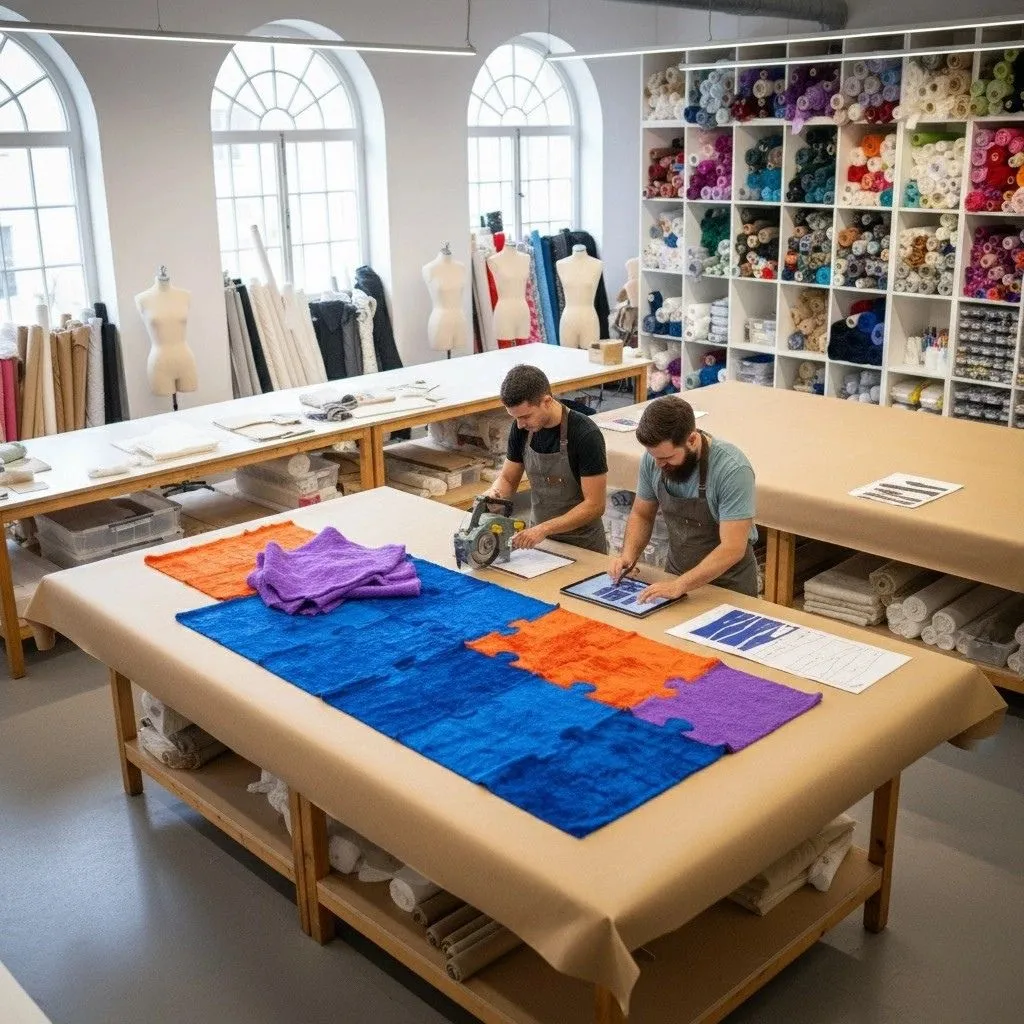
Professional construction uses premium materials selected for specific performance requirements.
Fabric Selection considers durability, breathability, appearance, and maintenance requirements. High-performance fabrics withstand years of use while maintaining appearance. Breathable materials keep performers comfortable during long events. Colorfast fabrics maintain brand colors through cleaning and weather exposure.
Foam and Padding provides body structure and character shape. Strategic padding creates character proportions while maintaining performer comfort and mobility. Padding density and placement balance appearance with performance requirements.
Reinforcement Materials strengthen high-stress areas. Knee and elbow areas receive extra reinforcement. Seams receive double-stitching with reinforced thread. Stress points receive additional material layers to prevent premature wear.
Precision Cutting uses professional techniques to ensure pattern accuracy. Every piece must match specifications exactly - even small cutting errors compound into fit and appearance problems. Master craftspeople use precision cutting techniques developed through years of experience.
Assembly and Construction
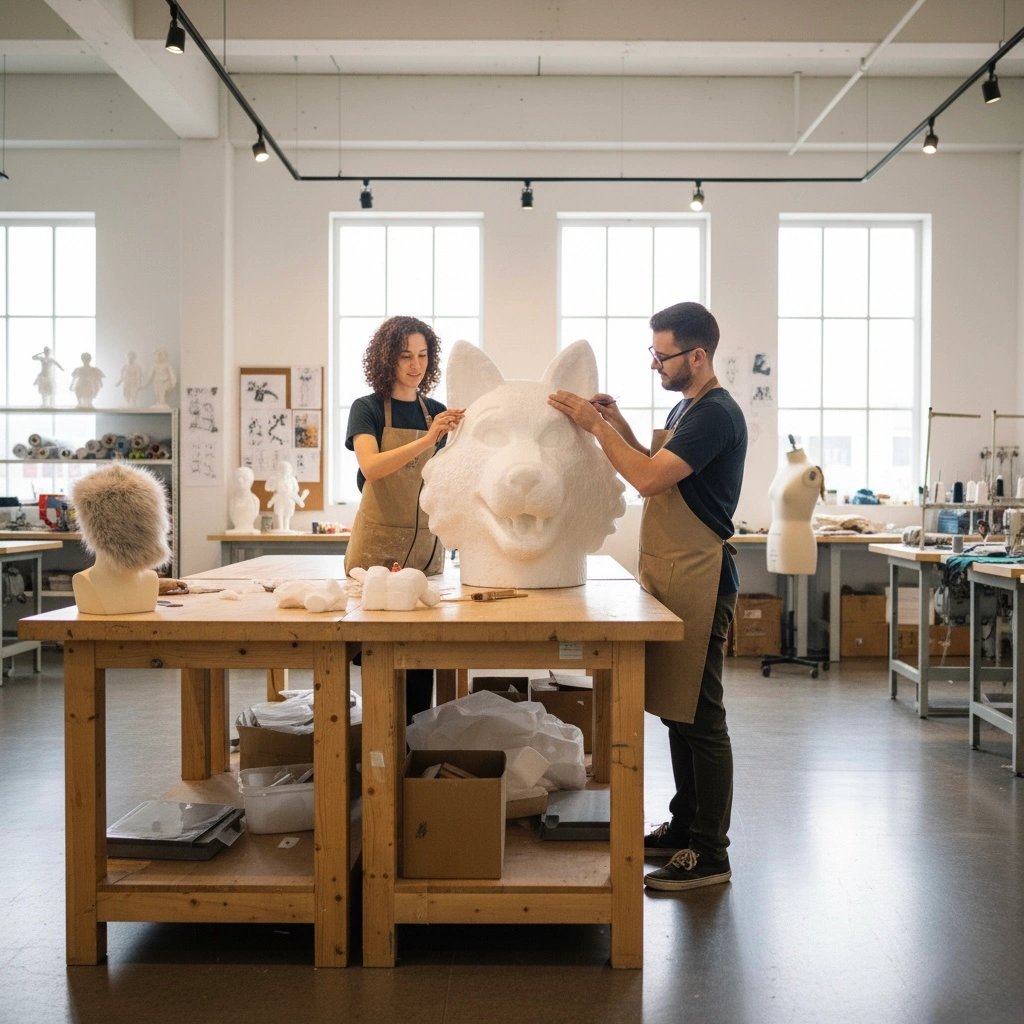
Assembly transforms cut materials into a finished costume through careful construction techniques.
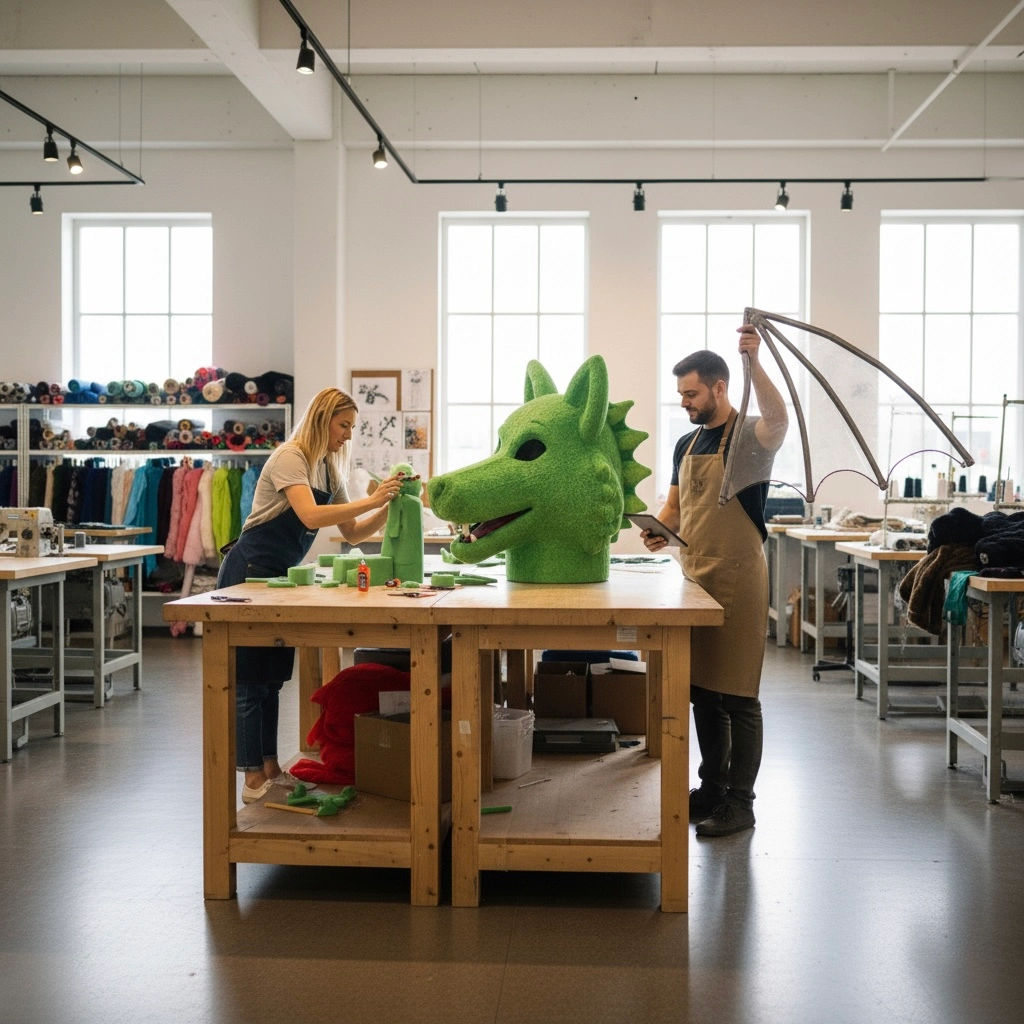
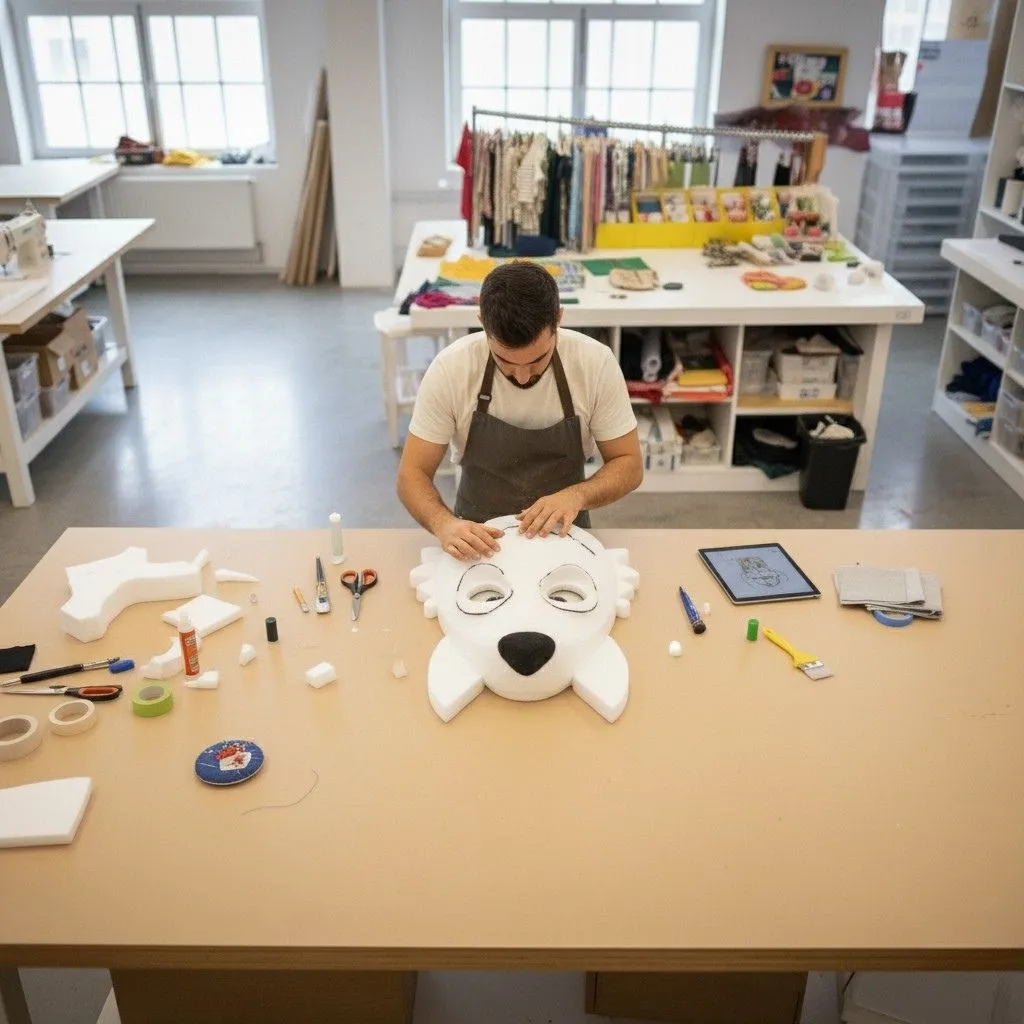
Seam Construction uses reinforced double-stitching at all stress points. Professional construction doesn’t cut corners - every seam receives proper reinforcement to ensure years of reliable performance. Seam placement considers both appearance and durability requirements.
Reinforcement Installation adds structural support at high-stress areas. Knee and elbow areas receive extra material layers. Seam intersections receive additional reinforcement. Areas subject to frequent stress receive preventive reinforcement before problems develop.
Zipper and Fastener Installation ensures secure closure systems that withstand years of use. Professional construction uses quality hardware installed with proper reinforcement. Fastener placement considers both security and ease of use for performers.
Liner Installation creates removable, washable interior liners that protect the costume while maintaining performer comfort. Professional construction includes liner systems that simplify cleaning and maintenance.
Phase 4: Quality Control and Testing
Prototype Testing
Before final construction, prototypes undergo rigorous testing to verify design decisions and identify improvements.
Fit Testing ensures the costume fits performers correctly and allows proper movement. Multiple performers test the costume to verify sizing adjustments work for different body types.
Visibility Testing verifies performer sightlines meet safety requirements. Testing includes various lighting conditions and movement patterns to ensure performers can see clearly in all situations.
Ventilation Testing measures airflow and temperature to ensure performer safety. Testing includes extended wear periods under various conditions to verify ventilation systems perform as designed.
Durability Testing subjects prototypes to stress testing that simulates years of use. This identifies potential failure points before final construction, allowing preventive reinforcement.
Final Quality Inspection
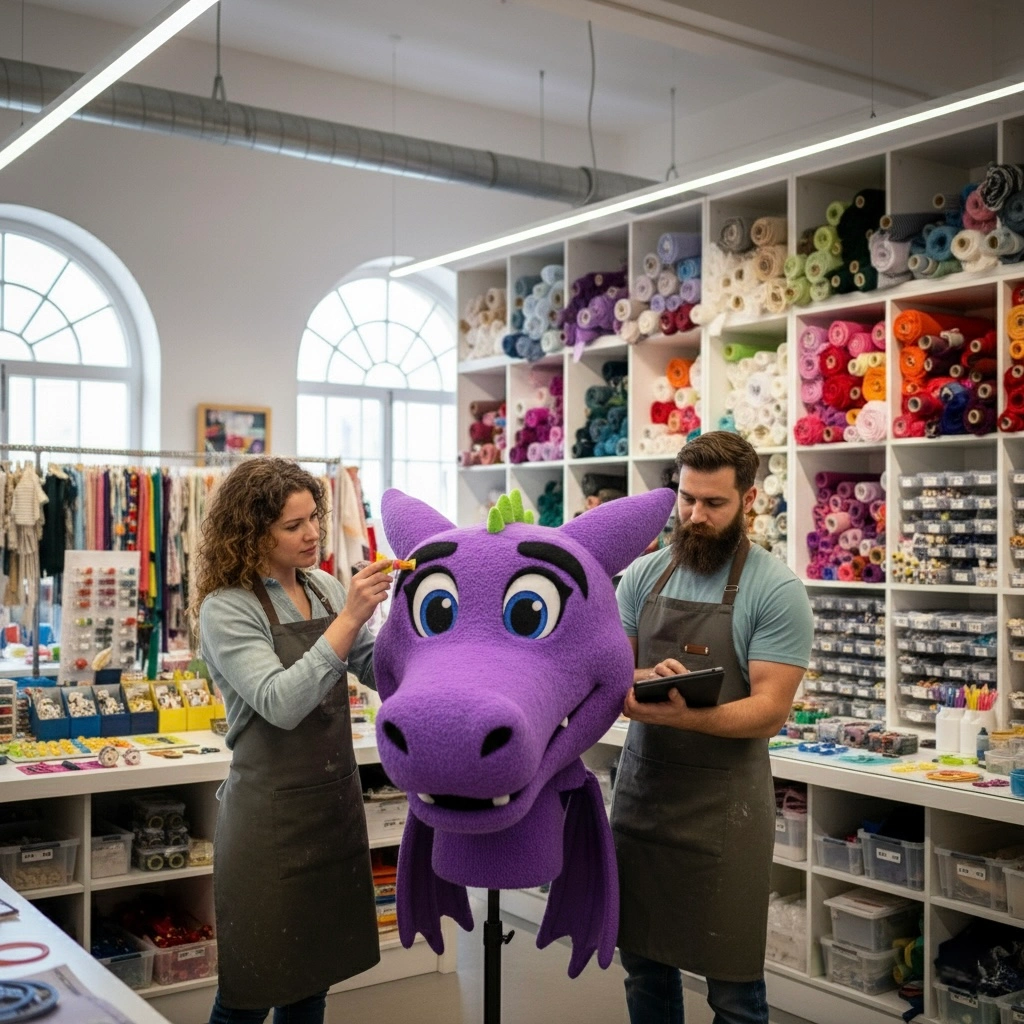
Every completed costume undergoes thorough inspection before delivery.
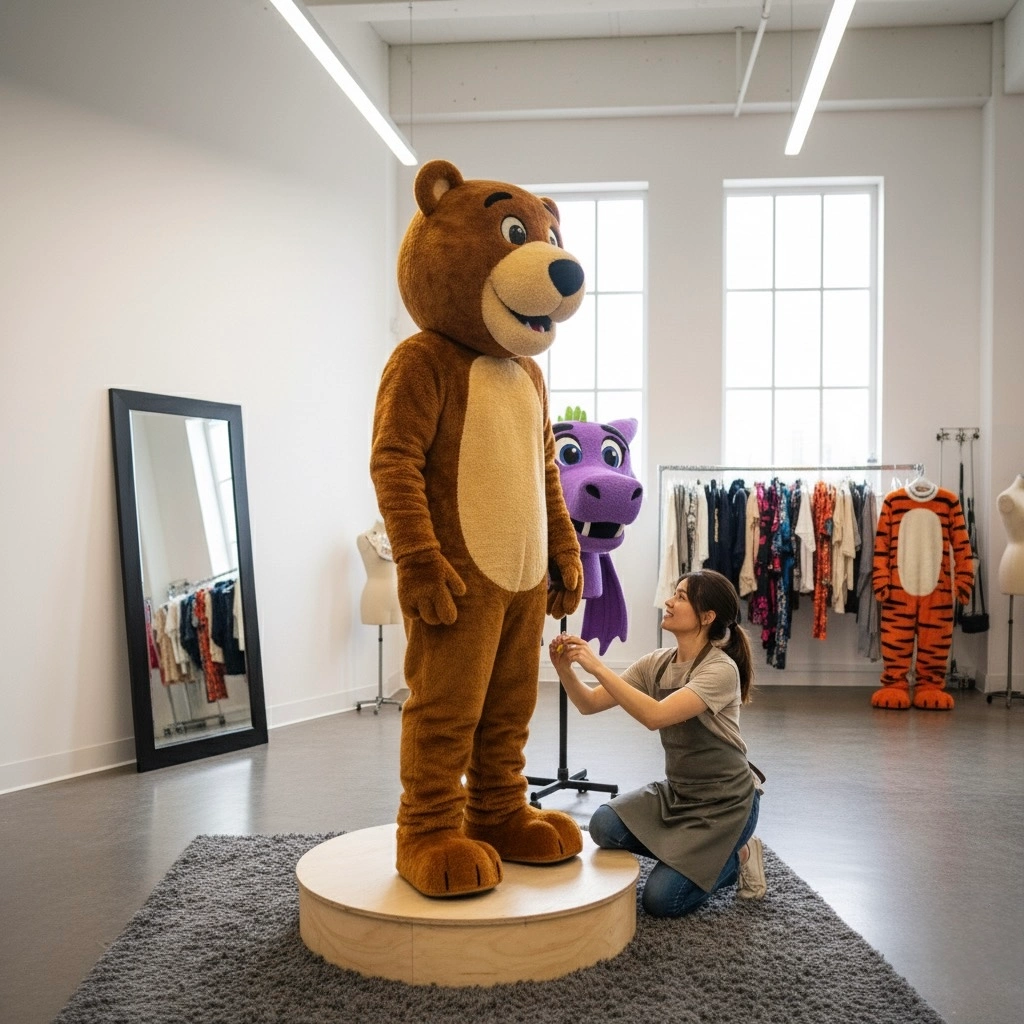
Visual Inspection verifies appearance matches design specifications. Color accuracy, detail quality, and overall appearance are checked against design requirements.
Structural Inspection verifies construction quality. Seams, reinforcement, hardware installation, and structural integrity are checked to ensure the costume meets durability standards.
Safety Inspection verifies all safety requirements are met. Visibility, ventilation, weight distribution, and structural safety are checked to ensure performer safety.
Functionality Testing verifies the costume performs as designed. Movement, fit, ease of use, and performance requirements are tested to ensure the costume meets all specifications.
Phase 5: Finishing and Delivery
Final Finishing
Before delivery, costumes receive final finishing touches that ensure professional appearance.
Detail Work adds final character details - facial features, fur texture, color accents - that bring the character to life. This attention to detail separates professional construction from amateur work.
Branding Elements ensure your school’s colors, logos, and brand elements are accurately represented. Professional construction matches brand specifications exactly, ensuring your mascot reinforces your school’s visual identity.
Care Instructions provide detailed maintenance guidelines that extend costume lifespan. Professional construction includes comprehensive care instructions covering cleaning, storage, and maintenance requirements.
Delivery and Training
Professional construction includes delivery and training to ensure your team can use and maintain the costume properly.
Fitting Session ensures performers understand proper fit and use. Professional delivery includes fitting sessions where performers learn how to wear the costume correctly and safely.
Care Training teaches maintenance procedures that extend costume lifespan. Your team learns proper cleaning techniques, storage requirements, and maintenance schedules that protect your investment.
Performance Guidance provides tips for effective mascot performance. Professional delivery includes guidance on movement, interaction, and performance techniques that maximize mascot impact.
Materials: The Foundation of Quality
Professional-Grade Foam
Head construction uses professional-grade polyurethane foam selected for specific requirements. Density, firmness, and durability are matched to character needs. Professional foam maintains its shape through years of use while remaining lightweight enough for performer comfort.
High-Performance Fabrics
Body construction uses fabrics selected for durability, breathability, and appearance. Professional construction doesn’t use generic materials - every fabric is selected for specific performance requirements. High-performance fabrics withstand years of use while maintaining appearance and comfort.
Quality Hardware
Zippers, fasteners, and hardware are selected for durability and reliability. Professional construction uses quality hardware that withstands years of use without failure. Hardware selection considers both durability and ease of use for performers.
Colorfast Materials
All materials are selected for colorfastness - maintaining brand colors through cleaning, weather exposure, and years of use. Professional construction ensures your mascot always represents your brand accurately.
The Craftsmanship Difference
Decades of Experience
Professional mascot construction requires decades of experience in character design, materials, construction techniques, and performance requirements. Master craftspeople understand how design decisions affect construction, how materials behave under stress, and how construction choices impact performer safety and costume longevity.
Custom Solutions
Every costume is custom-built for specific requirements. Professional construction doesn’t use one-size-fits-all approaches - every costume is tailored to character design, performance requirements, climate conditions, and usage patterns.
Attention to Detail
Professional construction includes attention to detail that separates quality work from amateur attempts. Every stitch, every seam, every detail receives careful attention to ensure professional appearance and reliable performance.
Quality Standards
Professional construction follows quality standards developed through years of experience. These standards ensure every costume meets performance, safety, and durability requirements that protect your investment.
Timeline: What to Expect
Design Phase (2-3 weeks)
Design translation and specification development require 2-3 weeks of careful planning. This phase ensures construction decisions match design requirements and performance needs.
Construction Phase (6-12 weeks)
Actual construction requires 6-12 weeks depending on complexity, materials, and builder schedules. Professional construction can’t be rushed - quality work requires time for careful craftsmanship.
Quality Control (1-2 weeks)
Quality control and testing require 1-2 weeks to ensure every costume meets standards. This phase includes prototype testing, final inspection, and finishing work.
Delivery (1 week)
Delivery and training require approximately 1 week including shipping, fitting sessions, and training. Professional delivery ensures your team can use and maintain the costume properly.
Total Timeline: 10-18 weeks from design approval to delivery. Rush options are available for urgent needs, but quality construction requires adequate time.
Investment: Understanding Costs
Professional mascot costume construction represents a significant investment, but understanding where costs come from helps you make informed decisions.
Materials account for 30-40% of construction costs. Professional-grade materials cost more than generic alternatives, but they deliver years of reliable performance that protects your investment.
Labor accounts for 40-50% of construction costs. Master craftspeople command professional rates for their expertise. This expertise ensures quality construction that lasts years longer than amateur work.
Overhead accounts for 10-20% of construction costs. Professional builders maintain facilities, equipment, and quality control systems that ensure consistent quality.
Typical Investment: $2,500-$10,000 depending on complexity, materials, and builder experience. Simple designs with standard materials start around $2,500, while detailed characters with custom accessories or premium finishes can reach $10,000+.
Common Construction Mistakes to Avoid
Cutting Corners on Materials
Using generic materials instead of professional-grade materials saves money upfront but costs more long-term. Generic materials fail faster, require more repairs, and need replacement sooner.
Rushing the Process
Rushing construction to meet tight deadlines compromises quality. Professional construction requires adequate time for careful craftsmanship. Rushed work shows in poor fit, construction flaws, and premature failure.
Skipping Quality Control
Skipping testing and inspection saves time but risks delivering costumes with problems. Professional quality control identifies and fixes issues before delivery, protecting your investment.
Ignoring Performer Safety
Prioritizing appearance over performer safety creates dangerous situations. Professional construction balances appearance with safety requirements, ensuring performers can use costumes safely.
The Result: Game-Day Ready Costumes
Professional construction delivers costumes that look great on day one and perform reliably for years. These costumes become beloved school symbols that build spirit, create memories, and represent your brand at every event.
When students see a professionally constructed mascot, they see quality that reflects your school’s standards. When performers wear professionally constructed costumes, they can focus on creating memorable moments instead of fighting with uncomfortable or unsafe equipment. When your community sees your mascot year after year, they see an investment that pays dividends in school pride and brand recognition.
Action Item: Start Your Construction Process
If you’re planning a mascot costume, invest in professional construction. The upfront investment in quality craftsmanship pays dividends in longevity, performer safety, and school pride.
Next Steps:
- Complete your mascot design before beginning construction - see our complete mascot design guide for the full process
- Define performance requirements including usage patterns and climate conditions - learn more in our mascot costume complete guide
- Select a professional builder with proven school mascot experience
- Review construction specifications to ensure they match your needs
- Plan for quality control including testing and inspection
- Budget for proper care including cleaning, storage, and maintenance - see our cost breakdown guide for budgeting tips
Ready to build your mascot costume? Our mascot costume service manages the entire construction process from design to delivery. We work with trusted master craftspeople who understand school mascot requirements and deliver game-day ready costumes that perform for years.
Related Resources: School Mascot Costume Complete Guide • Mascot Design Process • Mascot Cost Breakdown • Complete Mascot Design Guide • Mascot Costume Service • Free Quote
Professional mascot costume construction isn’t just building a costume - it’s creating a school symbol that builds spirit, creates memories, and represents your brand for years. That’s the value of craftsmanship done right.
We Build and Manufacture Mascot Costumes
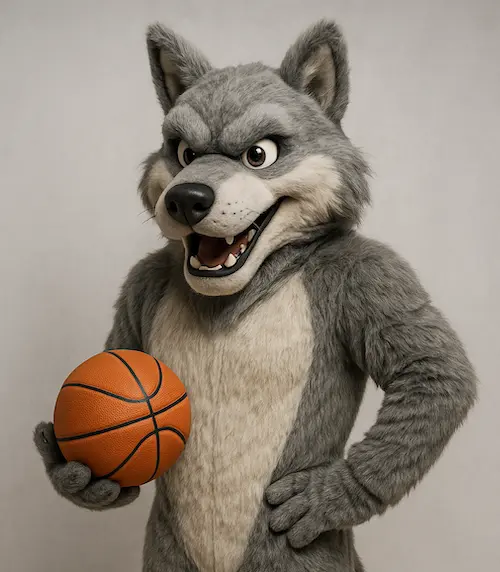
A professionally built mascot costume creates unforgettable moments at games, rallies, and community events.
See Full Details →
Design to Delivery
We manage everything
6-12 Week Delivery
In time for your season
Safety First
Ventilation & visibility
Custom Projects
Professional quality
Custom School Mascot Costume
Bring your mascot to life for game day
Custom school mascot costumes designed for visibility, comfort, and durability. We design, prototype, and manage production so your performer can move, engage, and win crowds.
Get Costume Pricing →Related
Custom School Mascot Costume
Custom school mascot costumes designed for visibility, comfort, and durability. We design, prototype, and manage production so your performer can move, engage, and win crowds.
View detailsRelated
Charter Application Branding - Professional Identity for Authorizer Approval
Professional charter application branding that demonstrates operational readiness to authorizers. Complete brand identity, website, and application materials. Charter-specific packages for charter schools.
View details